Welcome to an in-depth exploration of the fascinating world of numismatics, a domain where the past meets the present through the collection and trading of coins. Whether you are an aspiring coin dealer eager to make your first trade, or a seasoned expert looking to expand your knowledge, navigating the complex landscape of coin dealing requires a blend of passion and expertise.
Coin dealing has long captivated a wide array of individuals, offering them not only a rewarding hobby but also an opportunity to engage in a potentially profitable business. It draws enthusiasts with its rich history, the stories behind each coin, and the thrill of discovering rare pieces.
As such, understanding the fundamentals of this ever-growing market is crucial to making informed and confident decisions.
Understanding the Value of Coins
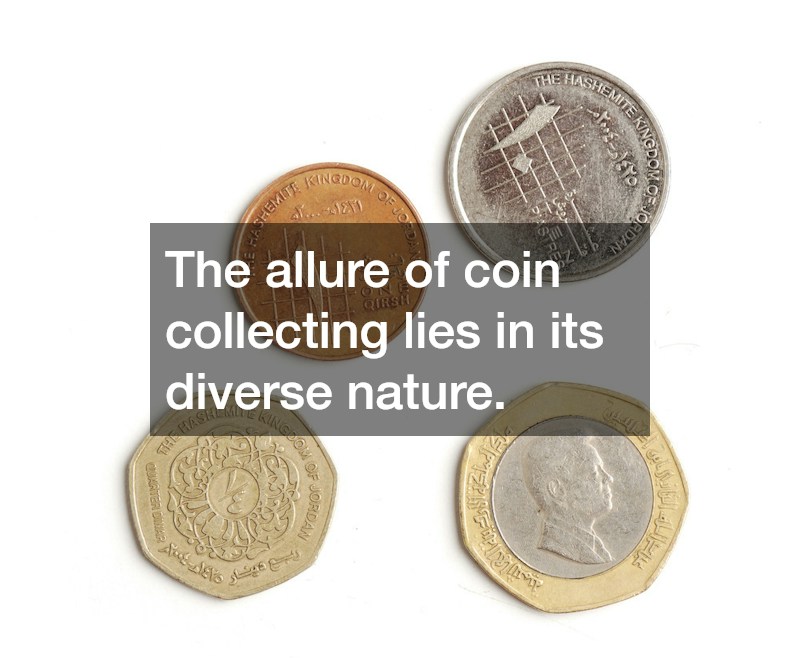
The allure of coin collecting lies in its diverse nature. Coins, often considered miniature pieces of art, hold historical significance and carry weight as cultural artifacts. Coin dealers often find themselves at the intersection of academia and commerce, where knowledge of history enhances their business acumen. The market offers endless opportunities to uncover unique finds and build profitable collections.
The first step in becoming a successful coin dealer is gaining the ability to assess the value of coins accurately. This involves familiarizing yourself with key factors such as coin grading, rarity, historical significance, and market demand. Each of these elements plays a significant role in determining a coin’s value, and understanding them can help you make savvy purchasing and selling decisions.
Grading coins can be a meticulous task, as it entails examining the coin’s condition, any signs of wear, and its overall appearance. Highly graded coins in mint condition tend to fetch higher prices. Meanwhile, rarity often drives value, making uncommon coins particularly desirable among collectors. Historical significance adds another layer of value, offering insights into a specific era or event.
Avoiding Common Pitfalls
As with any profession, coin dealing comes with its set of challenges. It is vital to avoid common pitfalls that can derail your efforts and investments. For beginners, this may include falling for counterfeit coins, overestimating the value of certain pieces, or failing to conduct thorough research before a purchase.
Being part of a community of coin enthusiasts can be invaluable, as can continuously educating yourself through reading, attending trade shows, and participating in online forums. By understanding these dynamics, you’ll foster a safe and profitable journey through the intricate world of numismatics.
What Should I Look for When Choosing a Coin Dealer?
When selecting a coin dealer, reputation is a fundamental factor to consider. Opt for dealers with a history of fair dealings and reliable customer service. Online reviews, testimonials, and word-of-mouth recommendations can provide valuable insights into a dealer’s credibility. Furthermore, ensure that the dealer is a member of recognized trade organizations, such as the Professional Numismatists Guild (PNG), which upholds ethical standards in the industry.
Expertise is another crucial aspect when choosing a coin dealer. A knowledgeable dealer can offer guidance on market trends and provide valuations based on up-to-date information. They should have a deep understanding of both historical and modern coins, helping you make informed decisions.
How Can I Assess the Value of My Coins?
Understanding market conditions is vital when assessing the value of your coins. The numismatic market is influenced by various external factors, including economic trends and collector demand. Staying informed about these market dynamics can help you anticipate value fluctuations and make strategic decisions. Regularly reviewing auction results and industry reports can provide a clearer picture of current coin values.
Using reliable grading systems is essential for an accurate evaluation of your coins. Grading systems, such as those provided by the Numismatic Guaranty Corporation (NGC) or the Professional Coin Grading Service (PCGS), offer standardized criteria for assessing a coin’s condition.
What are the Common Mistakes to Avoid as a Coin Dealer?
One of the most common mistakes coin dealers make is improper price setting. It’s crucial to align your pricing with current market data while considering the coin’s condition, rarity, and demand. Avoid overpricing as it can lead to prolonged inventory holding, while underpricing can result in lost profits. Conduct thorough research to determine competitive pricing strategies.
Failing to verify the authenticity of coins is another prevalent error. Counterfeit coins are becoming increasingly sophisticated, emphasizing the need for meticulous verification processes. Always purchase from credible sources and employ professional authentication services if in doubt. Utilizing a reliable grading system can also help identify genuine coins, safeguarding your investment.
By applying these tips, you can enhance your experience and success as a coin dealer while making informed decisions in the fascinating world of numismatics. Understanding how to choose a reputable dealer, accurately assess coin value, and avoid common mistakes is essential for both novice and experienced numismatists. As you continue your coin dealing journey, keep in mind the importance of ongoing education and market awareness. Stay curious, remain diligent, and maintain a passion for coins, propelling your numismatic pursuits forward.